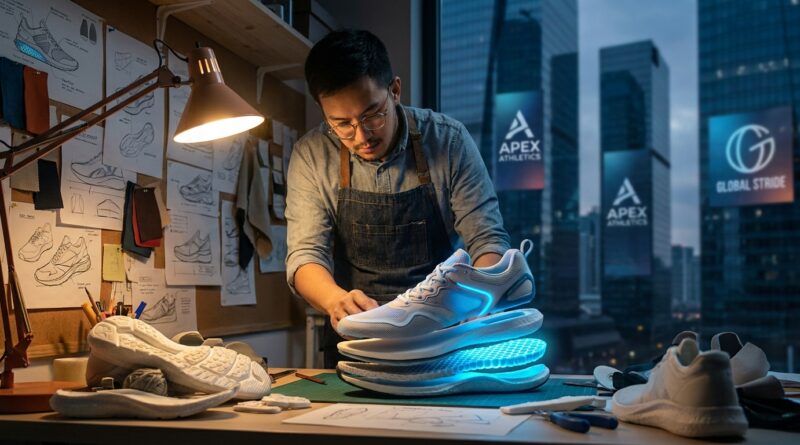
Trainer Patent Filings Just Jumped 31%: What Sneaker Innovors Need To Do Before The Big Brands Close The Door
You sketch a sneaker idea, tell yourself you will file “once it is ready,” and then months pass. That is painfully common. It is also getting riskier. Trainer-related patent applications recently jumped by 31 percent, which means big footwear companies are not waiting around. They are filing early, filing often, and quietly staking claims on cushioning systems, uppers, lacing setups, outsole patterns, and even tiny construction details most people would miss.
If you are an independent creator, this does not mean the game is over. It means your filing strategy has to get sharper. The good news is you do not need to patent an entire shoe from day one. In many cases, the smarter move is to identify the one feature that actually makes your concept different, document it clearly, and file a lean provisional before the space gets even tighter. If you have been tracking sneaker patent filing trends 2026, the real lesson is simple. Waiting for perfect is starting to look a lot like giving your spot away.
⚡ In a Hurry? Key Takeaways
- Trainer patent filings are rising fast, so solo inventors should file earlier and narrower instead of waiting to patent a full shoe line.
- Start with one high-impact feature, write a solid provisional application around it, and keep records of how it works and why it is different.
- A provisional can buy time, but sloppy filings can backfire, so clear drawings, alternatives, and dates matter.
Why this patent spike matters more than it sounds
A 31 percent jump in trainer filings is not just a fun industry stat. It is a warning sign.
When filings rise that quickly, crowded categories get crowded faster. The obvious areas go first. Cushioning. Stability. Knit structures. Modular soles. Performance plates. Sustainable material mixes. But the squeeze does not stop there. Once the big brands get active, they often file around the edges too. That means manufacturing methods, attachment systems, shape variations, and performance tweaks.
If you are a solo inventor, the danger is not only that someone “steals your exact shoe.” The bigger danger is that the useful territory around your idea gets boxed in before you ever put a stake in the ground.
The mistake most sneaker inventors make
They try to patent the whole sneaker.
That sounds sensible. It also slows people down. A full shoe concept can include outsole geometry, midsole composition, upper construction, fit system, heel support, material layering, and visual elements. That is a lot to define well, and it often leads to indecision.
Meanwhile, another company files on the one part that actually mattered most.
Think feature first, not product first
Ask a much simpler question. What is the one thing your trainer does that other shoes do not do in the same way?
Maybe it is:
- A lace channel that adjusts pressure across the foot during movement
- A heel geometry that reduces slip without extra padding
- A removable cushioning insert with a specific support shape
- An outsole lug pattern that changes grip during pivoting
- A stitching or bonding layout that improves flex and durability
That feature may be your best patent target. Not the whole dream shoe. Just the part with real novelty and real value.
What big brands are doing that independents should copy
Not their budgets. Their behavior.
Large companies often file early versions around a core idea, then keep refining. They do not always wait for the final retail product. They protect the concept while the design is still moving.
That is the lesson for independents following sneaker patent filing trends 2026. You do not need to outspend a major brand. You need to move before your idea gets squeezed out.
File while the idea is still taking shape
If your feature is defined enough that you can explain:
- what it is,
- how it works,
- why it is different, and
- where it sits in the shoe,
you may already be far enough along to think about a provisional patent application.
When a lean provisional makes sense
A provisional patent application is often the most realistic first step for a solo footwear inventor. It is not a full patent. It does not get examined on its own. But it can secure an early filing date for what you properly describe.
That last part matters. A vague provisional is like putting a cheap bike lock on a sports car. It may feel better than nothing, but it is not doing nearly enough.
A good lean provisional is focused, not flimsy
“Lean” does not mean rushed or half-baked. It means tightly aimed.
For a sneaker concept, a lean provisional should usually include:
- A plain-English description of the feature
- How it is built into the shoe
- How it works during wear or performance
- Several variations, not just one exact version
- Simple labeled drawings or diagrams
- Materials, dimensions, or ranges if relevant
- The problem it solves
If your concept is a pressure-distributing lacing system, do not just describe one lace path. Include alternate channel placements, different anchor points, and possible material options. If your idea is a cushioning insert, describe shape changes, hardness ranges, placement options, and how it interacts with other layers.
The point is to protect the idea family, not only one frozen sketch.
What not to do before filing
This is where inventors accidentally make life harder for themselves.
Do not overshare too early
If you are posting detailed build shots, sending tech packs to random factories, or pitching the idea widely before filing anything, you may be creating problems. Rules around public disclosure vary by country, and what is recoverable in one market may be lost in another.
At minimum, keep dates, drafts, and version history. Use NDAs when practical. And if the feature has real potential, file before broad public exposure.
Do not assume looks alone will carry you
Some footwear ideas are mostly visual. In that case, design protection may matter too. But if the real value is functional, such as how the sole moves, locks, grips, supports, vents, or fastens, then utility patent thinking should be on the table.
Do not wait for the final sample
You do not always need a polished prototype. A clear explanation plus drawings can be enough to start. If you wait for a factory-ready sample, you may miss the window where your filing would have been strongest.
How to decide if your sneaker feature is likely worth filing
Use this quick filter.
1. Is it actually different?
Different does not mean “I have not seen it in stores.” It means there is a real technical or structural difference from what is already out there.
2. Does it solve a clear problem?
The best filings usually answer a practical issue. Hot spots. Stability. Weight. Grip. Energy return. Fit. Durability. Manufacturing waste.
3. Can a competitor copy the useful part?
If yes, and if that useful part is central to your concept, it may be worth protecting.
4. Can you explain it clearly on paper?
If you cannot describe how it works without hand-waving, it is probably not ready yet. Or the idea needs refining.
A simple filing path for independent sneaker creators
You do not need a giant legal war chest to begin. You do need a process.
Step 1: Isolate the core feature
Write one sentence. “The invention is a shoe feature that…” If that sentence turns into a paragraph full of unrelated ideas, you are still too broad.
Step 2: Search the space
Look through Google Patents, USPTO records, WIPO, and major brand filings in the category. Search by function, not just product type. A support cage might be described very differently in a patent than in a marketing page.
Step 3: Build your evidence pack
Collect sketches, dated notes, CAD screenshots, wear-test feedback, and any prototype photos. Write down what changed and why.
Step 4: Draft a lean provisional
Focus on the feature, its variants, and the problem it solves. Include enough detail that someone skilled in footwear design could understand and make it.
Step 5: Use the 12-month window wisely
After filing the provisional, refine the design, test it, talk to partners more safely, and decide whether to convert to a non-provisional filing.
Why crowded markets can still reward small inventors
This is the part people often miss.
A crowded market does not always mean there is no room left. It often means broad claims are harder to get, but narrower, well-aimed claims can still be valuable. In footwear, one meaningful feature can matter a lot if it improves comfort, performance, cost, or manufacturability.
Big brands cannot file every possible smart variation first. They are fast, but they are not magic. Independent inventors still win when they spot a real problem, define a clean solution, and file before the trail goes cold.
At a Glance: Comparison
| Feature/Aspect | Details | Verdict |
|---|---|---|
| Patent strategy | Filing one strong feature early is often more realistic than trying to protect an entire sneaker concept at once. | Best move for most solo inventors |
| Provisional application | Can secure an early date if it clearly describes the invention, variants, and how it works. | Useful, but only if drafted carefully |
| Waiting for a finished prototype | Delays filing and can leave room for others to claim nearby territory first. | Usually a mistake in a fast-moving market |
Conclusion
The trainer patent surge is not just a story about big brands getting busier. It is a reminder that independent inventors need to get more focused and more practical right now. Most solo creators do not realize how quickly footwear niches can be fenced off by aggressive filings. The smart response is not panic. It is precision. Pick the one high-impact feature that makes your idea matter, document it well, and file a lean provisional before the window narrows further. That approach will not guarantee a patent, but it gives you a realistic shot in a market that can look closed from the outside. And for a lot of great sneaker ideas, that is the difference between “someday” and actually getting in the game.