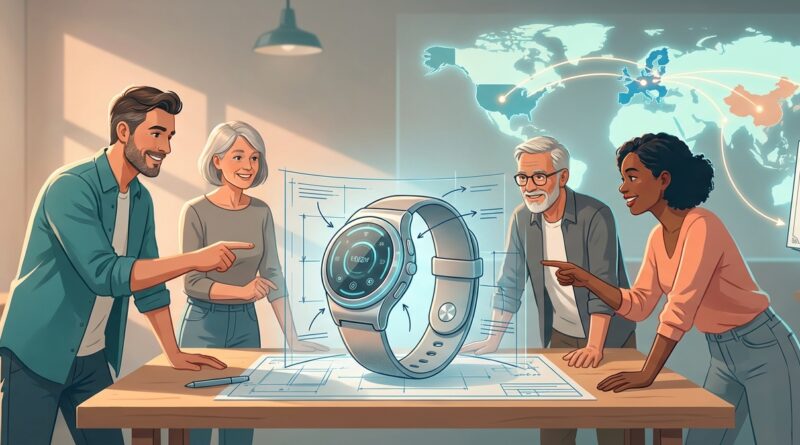
Global Design Patents Are Quietly Surging: How Solo Inventors Can Ride The New Hague Wave
You can spend months obsessing over a utility patent, only to learn the part customers actually notice first is the shape, the finish, the screen layout, or the way your product looks on a shelf. That is frustrating, especially if you are a solo inventor watching bigger companies move faster and copy freely. The quiet shift right now is that design protection is getting more attention worldwide, and that matters because it can be cheaper, faster, and more realistic for small inventors than a full-blown utility fight. If you have been ignoring design filings because they sound secondary, you may be skipping the one form of protection that fits your budget and your product best. The international design patent filing Hague system for small inventors is becoming a practical path, not just a legal curiosity. And if your product wins buyers with its look as much as its function, this is a wave worth catching early.
⚡ In a Hurry? Key Takeaways
- Global design filings are rising, and the Hague System can let small inventors seek design protection in multiple countries through one main application.
- If your edge is visual, start by identifying what buyers recognize instantly, then consider a design filing before launch images spread everywhere online.
- Design protection is not a replacement for utility patents in every case, but it can be a faster and more affordable first layer of defense against lookalike products.
Why this matters more than it used to
For years, a lot of inventors treated design patents like the side dish. Nice to have, but not the main event. The main event was the utility patent. That mindset is changing.
Why? Because many products succeed on appearance, not just mechanics. Think consumer gadgets, wearables, packaging, furniture, accessories, home tools, appliance fronts, app interfaces, and product housings. If a buyer falls in love with the look first, then the look has value. Real value.
And when factories or competitors copy, they often start with what they can see. They copy the visible parts. The silhouette. The face. The arrangement. The ornamental features.
That is where design protection can punch above its weight.
What a design patent actually protects
Put simply, a design patent or registered design protects the ornamental appearance of a product, not the way it works internally. The exact wording and legal standard vary by country, but the big idea is the same. It is about visual features.
Examples of what may be covered
A curved housing. A unique button layout. A special pattern on a speaker grille. The distinctive outline of a lamp. The visual arrangement of icons on a screen. The shape of a bottle. The finish and contour of a handheld device.
What it usually does not cover
The hidden engineering. The manufacturing method. The chemistry. The core function. Those are more likely to fall under utility patent territory, trade secrets, or other rights.
This is why many smart companies do both when they can. Utility for function. Design for appearance. But if money is tight, design may sometimes be the faster first move.
The Hague System in plain English
The Hague System is an international filing route managed by WIPO, the World Intellectual Property Organization. It gives applicants a way to file one international design application and ask for protection in multiple member countries or regions.
That does not mean one filing magically creates one global patent that works everywhere forever. It does mean you can use one main application, in one language, with one basic administrative path, to reach several places at once.
For small inventors, that is the attraction.
Why small inventors should care
Without a system like this, trying to file country by country can get messy fast. Different agents. Different paperwork. Different deadlines. Different formalities. Different invoices arriving when your budget is already groaning.
The Hague route can reduce that friction. It can also help you think strategically instead of emotionally. Instead of saying, “I guess I should file everywhere,” you can pick markets that matter.
What “international” does and does not mean
It means centralized filing. It does not mean unlimited protection in every country on Earth. You still need to choose designated jurisdictions that are part of the system and relevant to your product.
And each designated office can still examine your application under its own rules. So this is simpler, not magic.
Why filings are climbing quietly
The loud patent story is usually AI, biotech, chips, or courtroom drama. Design filings do not get the same headlines. But they are growing because they fit the modern market.
Products are more visual than ever. Online stores, crowdfunding pages, social media ads, and unboxing videos all reward appearance. The way a product looks is often the marketing.
Startups have noticed. So have copycats.
That is pushing more founders to protect the visible parts of their products earlier, especially in markets where manufacturing or fast imitation is common.
When a design filing may make more sense than a utility filing first
This is the question many solo inventors really care about. Not theory. Priority.
Good candidates for early design protection
If your product is fairly simple mechanically, but visually distinctive, design protection may be your strongest first move. Think desk accessories, home goods, wearables, cases, consumer electronics shells, decorative devices, or packaging-driven products.
If your budget only allows one filing right now, and the visible look is what competitors are most likely to copy, a design application may be the practical answer.
Cases where utility may still come first
If the true breakthrough is hidden inside and the outside look is ordinary, utility may deserve first attention. A new battery system, a medical mechanism, a manufacturing process, or a novel software-driven function may not get enough protection from design rights alone.
In short, ask yourself one simple question. If a copycat tried to clone me next month, what part would they copy first?
How the international design patent filing Hague system for small inventors can save money
Let’s be realistic. “Affordable” in IP never means cheap in the everyday sense. But there is a difference between manageable and impossible.
Where savings may show up
One core application instead of separate first-round filings in multiple countries. Less duplicated admin work. Simpler portfolio management. More organized renewals and record keeping.
That can matter a lot if you are a founder paying legal bills from product sales, not venture capital.
Where costs still show up
You still have filing fees. You may still need professional drawings. You may still need legal help choosing countries and wording your filing correctly. Some offices may issue refusals that require local responses. So do not treat the Hague route like a coupon code for global rights.
Think of it more like buying one train ticket instead of driving five separate routes yourself.
What small inventors often get wrong
This part is painful because it is common.
They publish too early
They post beautiful launch photos, show prototypes at trade shows, send samples around, and only then ask about design protection. In some places, early public disclosure can hurt your options. Timing matters.
They file bad images
Design protection often rises or falls on the drawings or images. If the visuals are sloppy, inconsistent, or unclear about what is claimed, the filing can become weak. This is not the place for half-cropped screenshots and wishful thinking.
They choose countries emotionally
“I want protection everywhere” is not a strategy. Better questions are these. Where will I sell? Where will it be made? Where are copycats most likely to appear? Where would enforcement actually matter?
They assume branding alone is enough
A trademark protects brand identity, not product appearance in the same way a design right can. Your logo matters. Your product shape may matter just as much.
A simple decision checklist before you file
You do not need to be a lawyer to think clearly here. Start with these questions.
1. Is the look of the product a selling point?
If yes, design protection belongs on your shortlist.
2. Can you point to the specific visual features that make it recognizable?
If no, slow down and define them first.
3. Are you planning to sell or manufacture in more than one Hague member market?
If yes, the Hague route may be worth a serious look.
4. Have you already shown the design publicly?
If yes, get advice quickly. Some rights may still be available depending on timing and jurisdiction, but delay is not your friend.
5. Is your budget limited?
If yes, ask whether a design filing gives you a stronger immediate shield than waiting years for a broad utility battle you may never finish.
Best first steps for a solo inventor
You do not need a giant legal team. You do need a plan.
Make a visual inventory
List the features buyers notice first. Shape. Front face. Surface pattern. Handle profile. Screen layout. Edge treatment. Packaging silhouette.
Gather clean images
Use consistent views. Clear backgrounds. No confusion about what is part of the design and what is not. Professional help is often money well spent here.
Pick your countries with discipline
Start with the markets that matter most. Sales markets. Manufacturing hubs. Problem copycat markets. Not your fantasy list.
Talk to an IP professional before launch if possible
Even one focused consultation can stop an expensive mistake. Especially if you are deciding between utility, design, trademark, or a mix of all three.
What success looks like
Success is not always a dramatic courtroom win. Sometimes it is quieter than that.
It can mean getting your filing in place before manufacturers start shopping your design around. It can mean sending a stronger warning letter. It can mean making your startup look more serious to partners, buyers, and investors. It can mean having enough protection to keep obvious clones off major marketplaces.
That may not sound glamorous. It is still important.
At a Glance: Comparison
| Feature/Aspect | Details | Verdict |
|---|---|---|
| What it protects | Design filings focus on the product’s visual appearance, such as shape, ornamentation, or layout, rather than hidden function. | Best if your look is part of your competitive edge. |
| Hague System value | One international application can cover multiple chosen member jurisdictions through a simpler administrative path. | Very useful for small inventors targeting several markets. |
| Budget fit | Often more manageable than separate country-by-country filings, though still not free and still dependent on good drawings and smart country selection. | A strong first layer of protection when funds are limited. |
Conclusion
The big lesson here is simple. Do not let all the noise around utility patents distract you from what customers actually see and remember. There is a fresh push in global design protection, with international design applications growing year over year and more startups using design filings to get faster, cheaper coverage in key markets. For first-time and cash-strapped inventors, understanding this shift right now can mean the difference between watching a factory clone your product’s look or quietly owning the visual identity that buyers actually fall in love with. If your product wins on appearance, the Hague wave is not just legal trivia. It may be your smartest next move.